 admin
admin
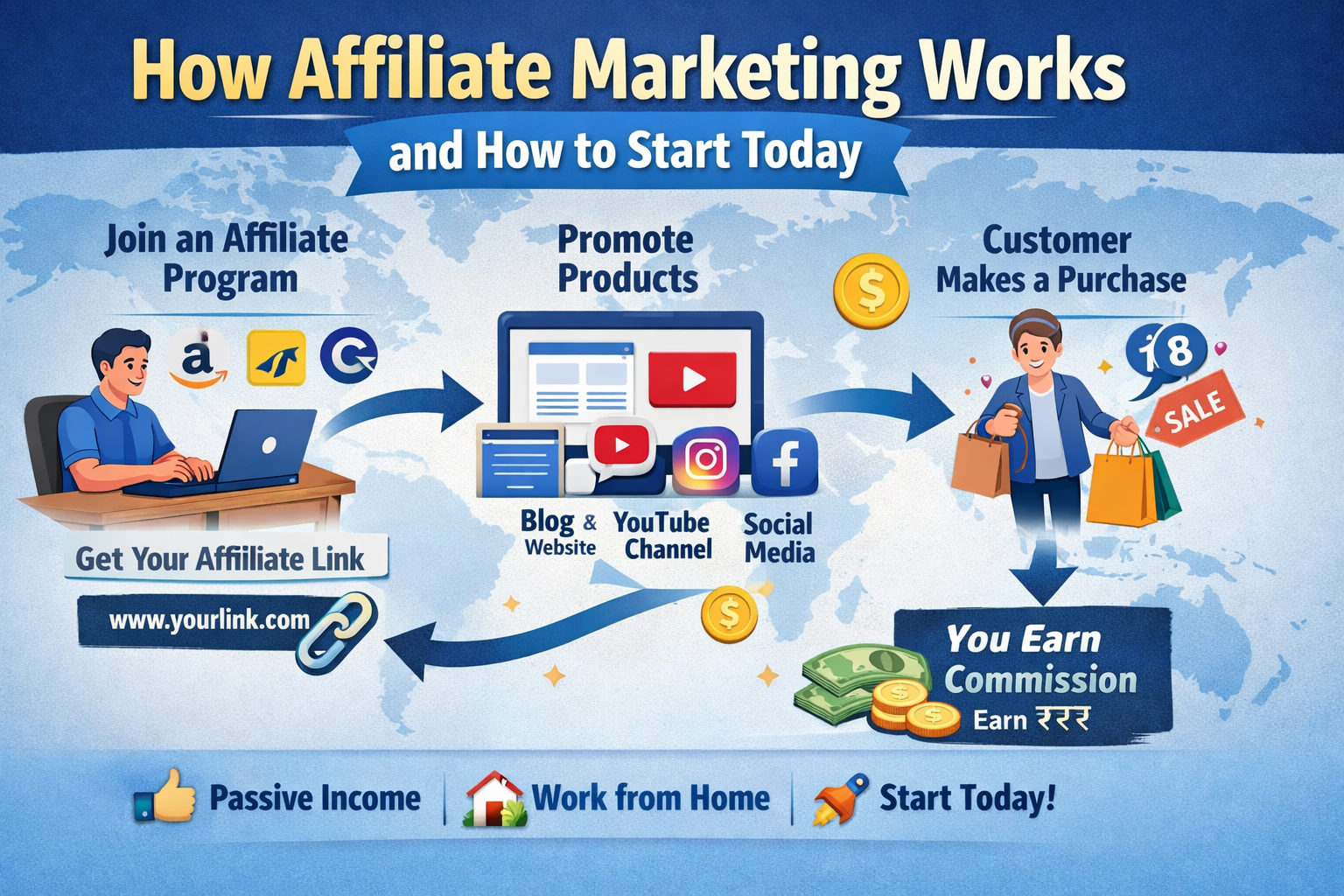
In 2026, the digital landscape has evolved to a point where owning a domain isn’t the only ticket to success. Learning how to do affiliate marketing without a website is now a high-demand skill, especially with the rise of social commerce, AI-driven video platforms, and direct-to-audience communication. This guide will show you how to build a thriving passive income stream using nothing but your social presence and strategic links.
Phase 1: Selecting the Right Platform and Niche
How to Choose a Platform for Affiliate Marketing Without a Website
If you aren’t using a website, your platform is your storefront. In 2026, the most effective way to start affiliate marketing without a website is by leveraging high-traffic social ecosystems that support direct links and community building.
Dominating Social Media Ecosystems
Platforms like YouTube Shorts, TikTok Shop, and Instagram Reels are currently the kings of organic reach. Instead of a blog, your content strategy should focus on short-form video that highlights high ticket affiliate marketing products. Use the “Link in Bio” strategy effectively by using tools like Linktree or Beacons to categorize your affiliate links. This allows you to guide your audience toward specific product reviews without needing a full-scale affiliate marketing website.
Finding High-Converting Social Niches
When you don’t have a website for long-form SEO, you must focus on niches with viral potential and high commercial intent. Think “Home Office Tech,” “AI Productivity Tools,” or “Sustainable Lifestyle Hacks.” Search for affiliate programs that offer high commissions and provide creative assets like professional videos or images, which you can repurpose for your social channels. Focus on long-tail keywords within your video captions to ensure your content appears in social search results.
Phase 2: Content Strategy and Traffic Generation
Creating SEO Friendly Content for Social Platforms
Just because you don’t have a website doesn’t mean you can ignore SEO. Every platform has its own search engine, and making your content SEO friendly is the key to consistent targeted traffic.
Social SEO and Viral Hooks
Your captions, hashtags, and even the text overlays on your videos must contain your primary keywords. In 2026, AI-driven algorithms read the text inside your videos to determine their relevance. Use keyword research to find what your audience is searching for and address those pain points directly. For example, a video titled “How to save $1000 using this AI tool” will perform better than a generic product showcase. This approach builds the authority and trust needed to convert viewers into buyers.
Building an Email List: Your Greatest Asset
The biggest risk of affiliate marketing without a website is “rented land”—if the platform bans you, your business disappears. To counter this, use your social traffic to build an email marketing list. Offer a free PDF guide or a “Cheat Sheet” in exchange for an email address. This allows you to send affiliate links directly to your subscribers’ inboxes, bypass algorithms, and maintain a direct line to your audience, ensuring long-term passive income.
Phase 3: Optimization and Compliance
Advanced Tactics for High Conversion Rates
To truly excel in how to do affiliate marketing without a website, you must optimize every touchpoint for maximum conversion rate (CR) and maintain legal transparency.
Transparency and Trust in 2026
Regulations in 2026 are stricter than ever. You must clearly disclose your affiliate links with tags like #Ad or #CommissionEarned. This transparency doesn’t just keep you legal; it builds trust with your audience. People are more likely to buy from an affiliate marketer who is honest about their relationship with a brand. Always provide first-hand experience in your product reviews to differentiate yourself from AI-generated spam.
Scaling with Paid Media and AI
Once you find a piece of content that converts, scale it using targeted ads on Meta or YouTube. Use AI-driven keyword research to identify high-performing search terms and bid on them to drive traffic directly to your landing pages or lead magnets. Diversify by joining multiple affiliate networks like Amazon Associates, Impact, or ClickBank to ensure you always have a variety of products to promote. Monitoring your average order value (AOV) will help you focus on the most profitable partnerships.