 admin
admin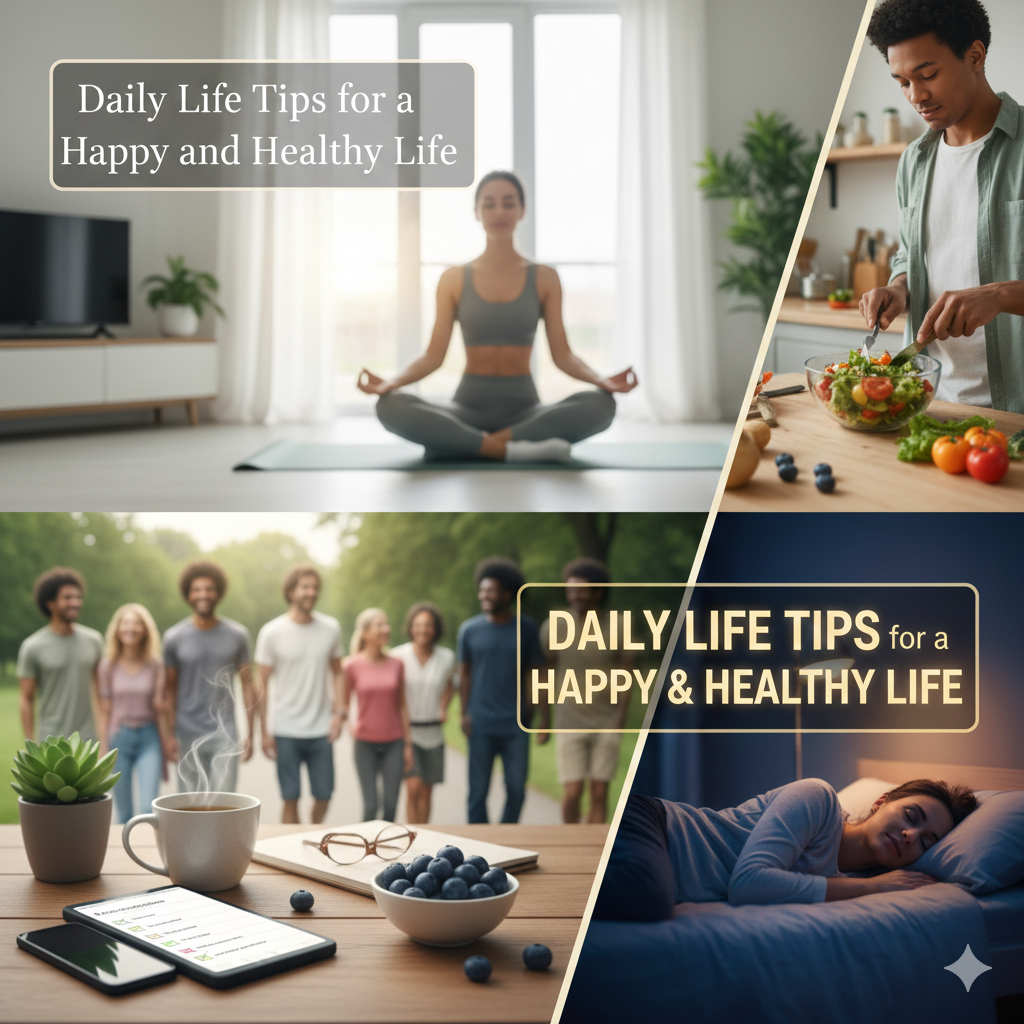
In the modern age of 2026, where technology moves faster than ever, the definition of a healthy life has evolved. It is no longer just about the absence of disease; it is about the presence of vitality, mental clarity, and emotional resilience. Achieving a happy and healthy life doesn’t require a radical overhaul of your existence. Instead, it is built on the foundation of small, consistent daily habits.
Whether you are navigating a high-pressure career or looking to improve your personal well-being, this guide provides the ultimate roadmap to holistic wellness
H2: Why Daily Habits Matter More Than Intensity
We often think that health requires “extreme” measures—marathon running, restrictive diets, or silent retreats. However, the science of habit formation suggests that micro-habits are the true drivers of long-term change. When you prioritize consistency over intensity, you reduce the friction of “getting started.”
A happy lifestyle is a byproduct of your environment and your daily choices. By automating healthy decisions, you preserve your mental energy for what truly matters: your passions, your family, and your growth. In 2026, the focus has shifted toward preventative wellness, where we use daily tips to ward off stress and physical ailments before they even begin.
H2: Physical Foundations: Movement and Nutrition
Your body is the vehicle through which you experience life. If the vehicle is poorly maintained, the journey becomes difficult. Physical health is the cornerstone of a happy life.
H3: The Power of Functional Movement
In 2026, we have moved away from “boring” gym routines toward Functional Movement. This means moving your body in ways that support real-life activities.
- NEAT (Non-Exercise Activity Thermogenesis): Focus on increasing movement outside the gym—take the stairs, use a standing desk, or go for a 10-minute “walking meeting.”
- Mobility Work: Dedicate 5 minutes a day to stretching and joint mobility. This prevents the chronic pain associated with sedentary desk jobs.
H3: Mindful Eating and Bio-Individual Nutrition
Nutrition is no longer “one size fits all.” A healthy diet in 2026 is about bio-individuality—understanding what your specific body needs.
- Whole Foods First: Prioritize foods that don’t have a long list of ingredients.
- The 80/20 Rule: Eat for nutrition 80% of the time and for pure enjoyment 20% of the time. This prevents the “guilt cycle” that often ruins mental health.
- Hydration with Electrolytes: Drinking water isn’t enough; ensure you are getting essential minerals like magnesium and potassium to maintain high energy levels throughout the day.
H2: Mental and Emotional Resilience in the Digital Age
A healthy body is useless without a peaceful mind. In a world of constant notifications and AI-driven noise, mental health is your most valuable asset.
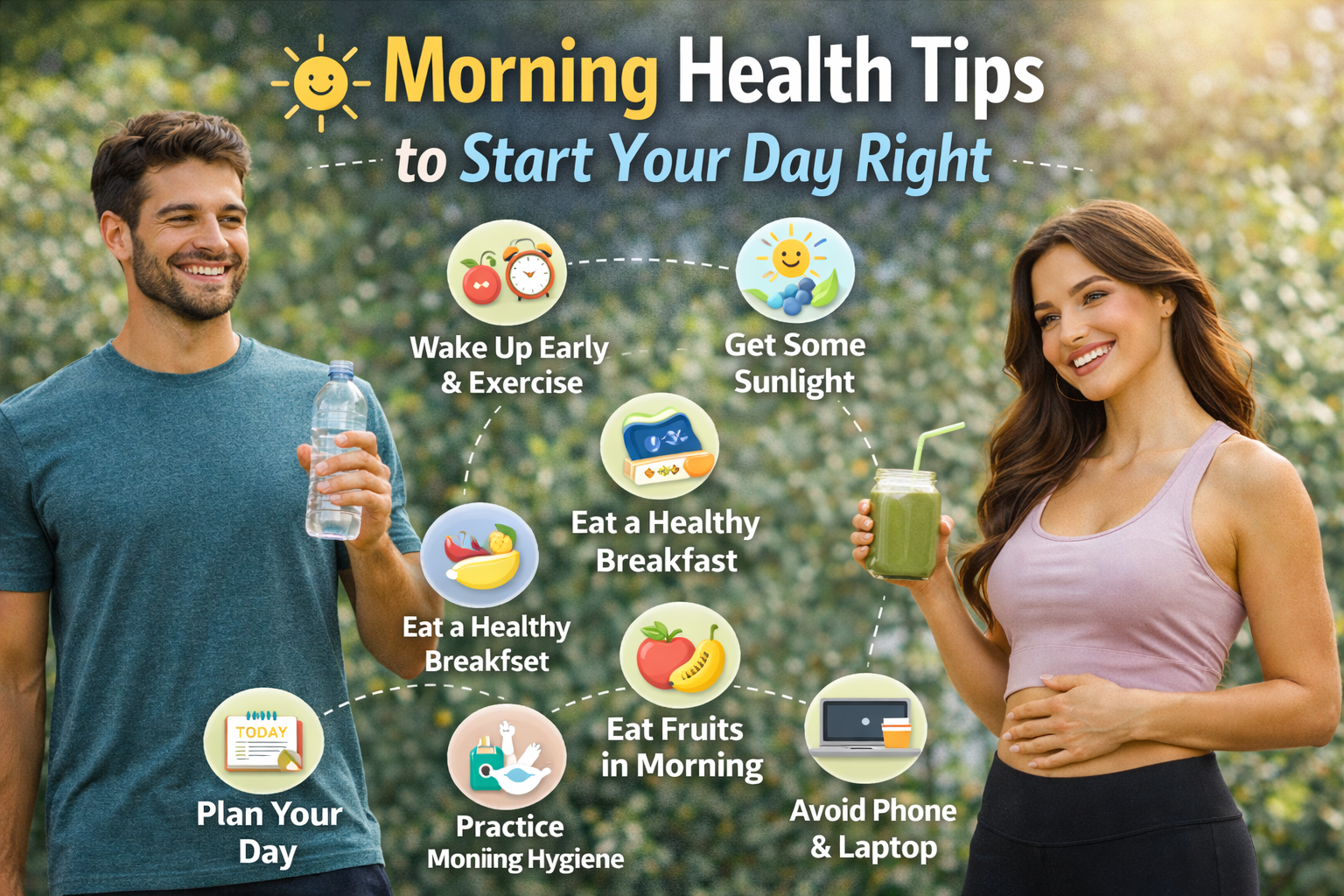
H3: Master Your Morning “Tech-Free” Zone
The first 30 minutes of your day set the tone for your nervous system.
- Avoid the “Scroll Trap”: Checking emails or social media immediately triggers a cortisol spike.
- The Replacement: Spend your first half-hour in silence, journaling, or sunlight. Natural light exposure in the morning regulates your circadian rhythm, ensuring better sleep at night.
H3: The Science of Gratitude and Social Connection
Happiness is deeply linked to social wellness. Human beings are wired for connection.
- Gratitude Practice: Write down three things you are grateful for every evening. This rewires your brain to look for the “positives” rather than the “threats.”
- Active Listening: Make it a point to have at least one deep, meaningful conversation daily. Strong social bonds are the leading predictor of longevity.
H2: Sleep Hygiene and Recovery Protocols
In 2026, sleep is recognized as the ultimate performance enhancer. Without quality rest, your physical and mental efforts are wasted.
H3: Designing Your Sleep Sanctuary
Your bedroom should be a “temple for rest.” Sleep hygiene involves more than just a comfortable mattress.
- Temperature Control: Keep your room at a cool 18°C (65°F).
- Blackout Environments: Use blackout curtains or an eye mask to ensure total darkness, which triggers melatonin production.
H3: Evening Wind-Down Rituals
Transitioning from “work mode” to “sleep mode” requires a bridge.
- Digital Detox: Turn off blue-light-emitting screens 60 minutes before bed.
- Mindfulness Meditation: Even 5 minutes of deep breathing can lower your heart rate and prepare your brain for deep REM sleep.